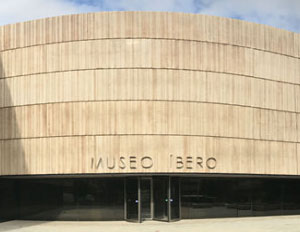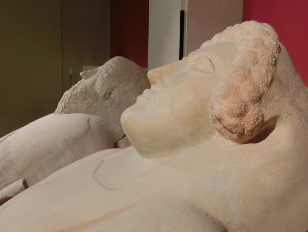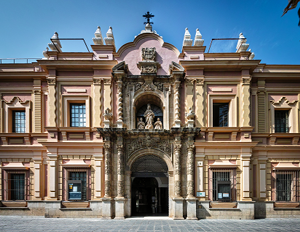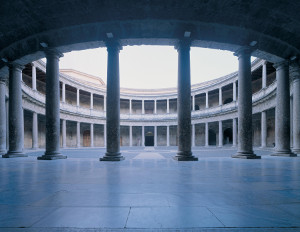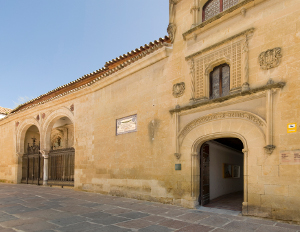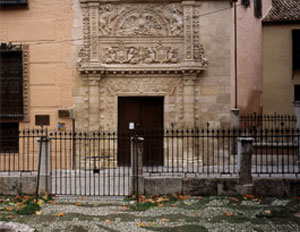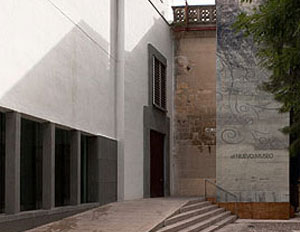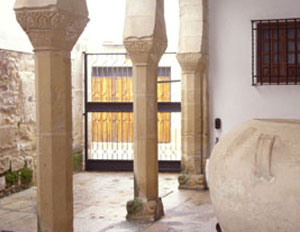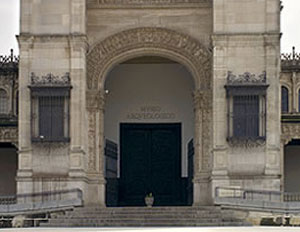
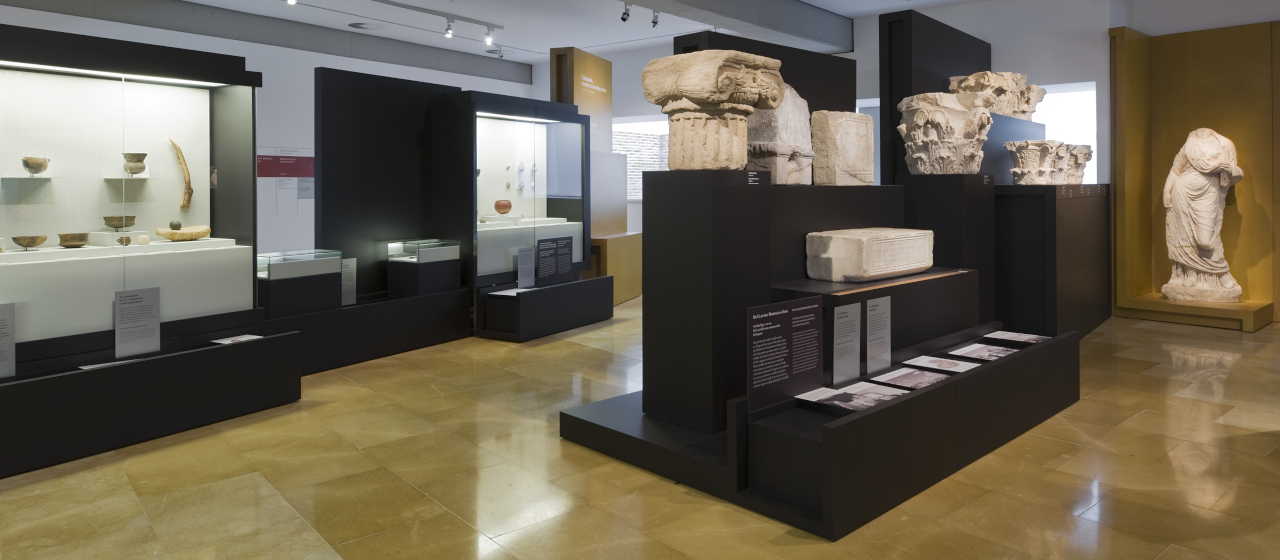
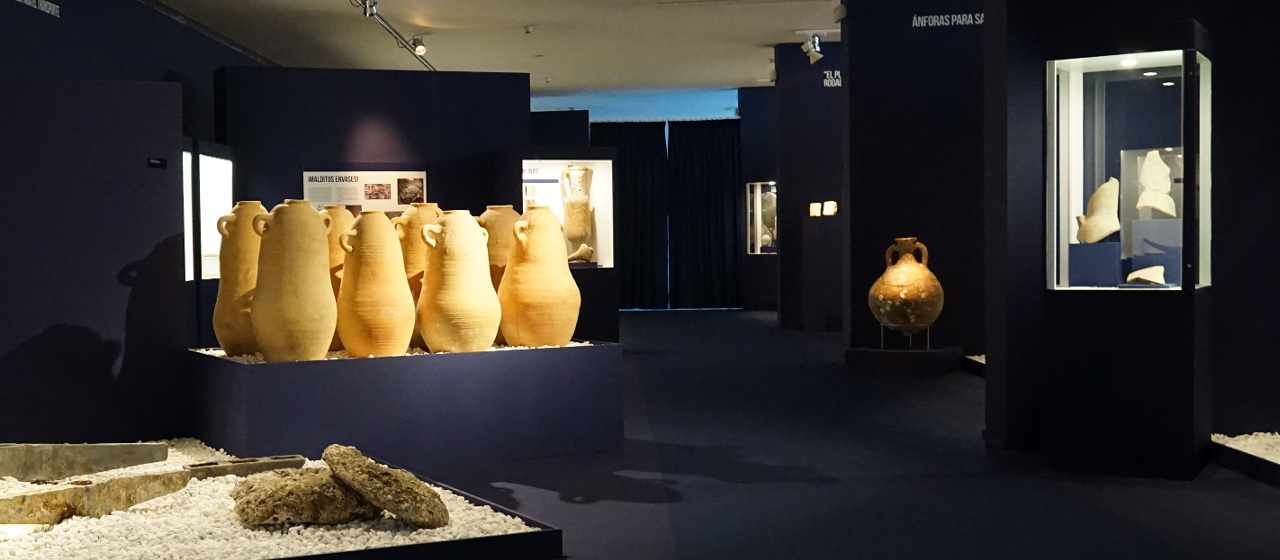
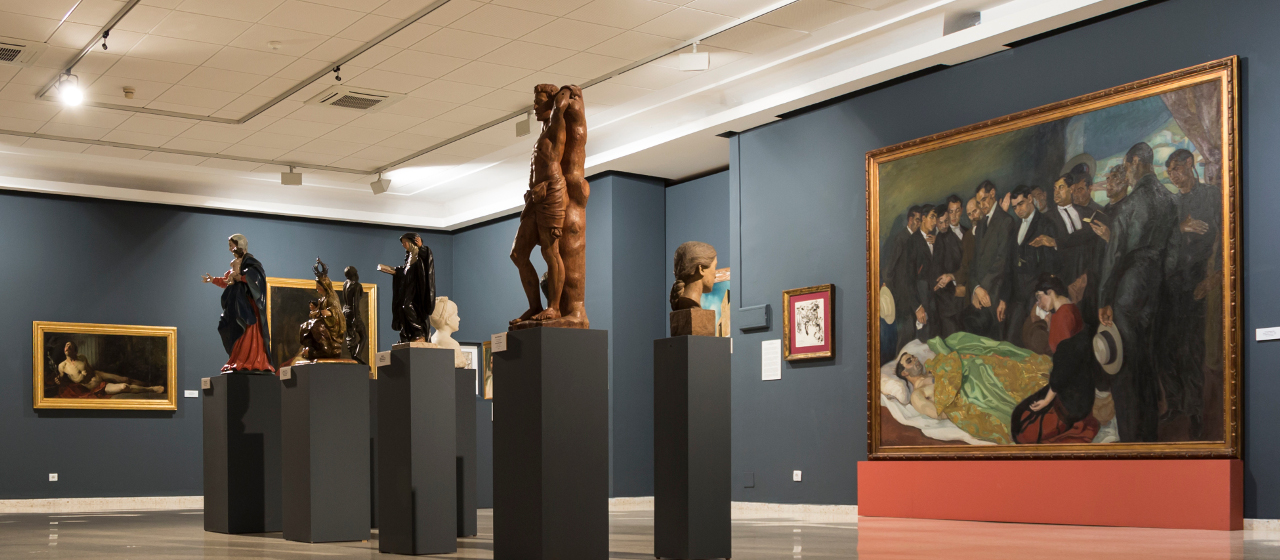
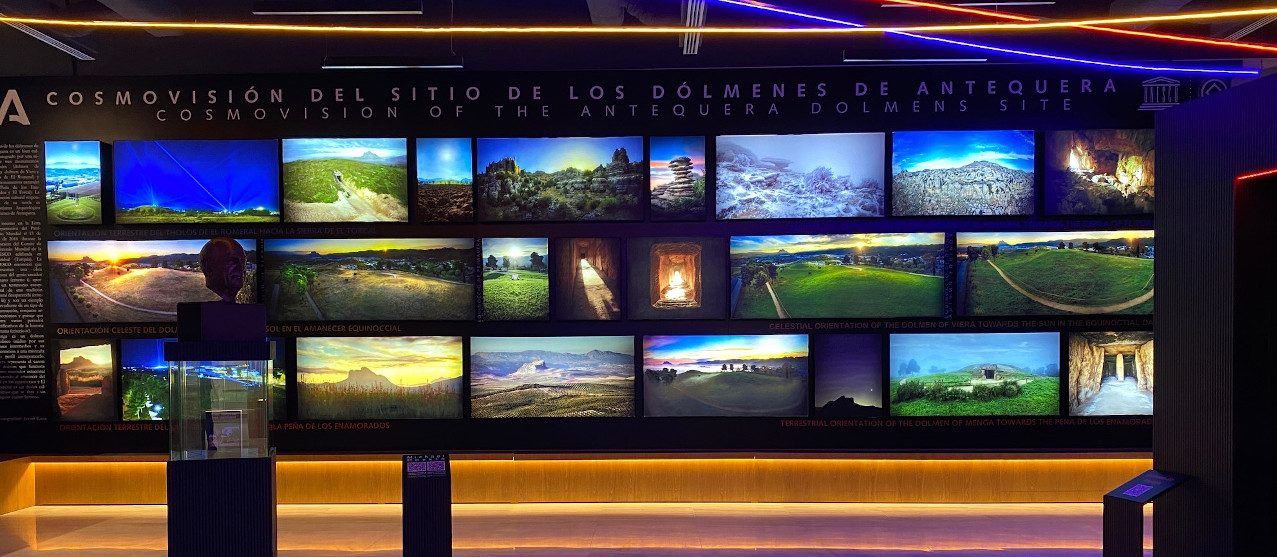
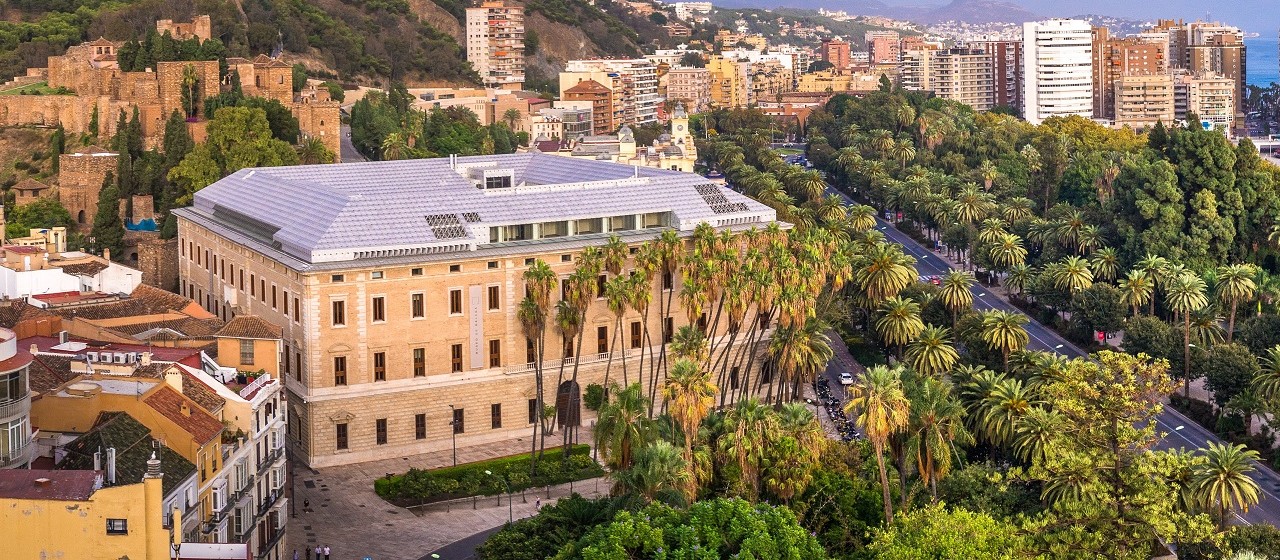
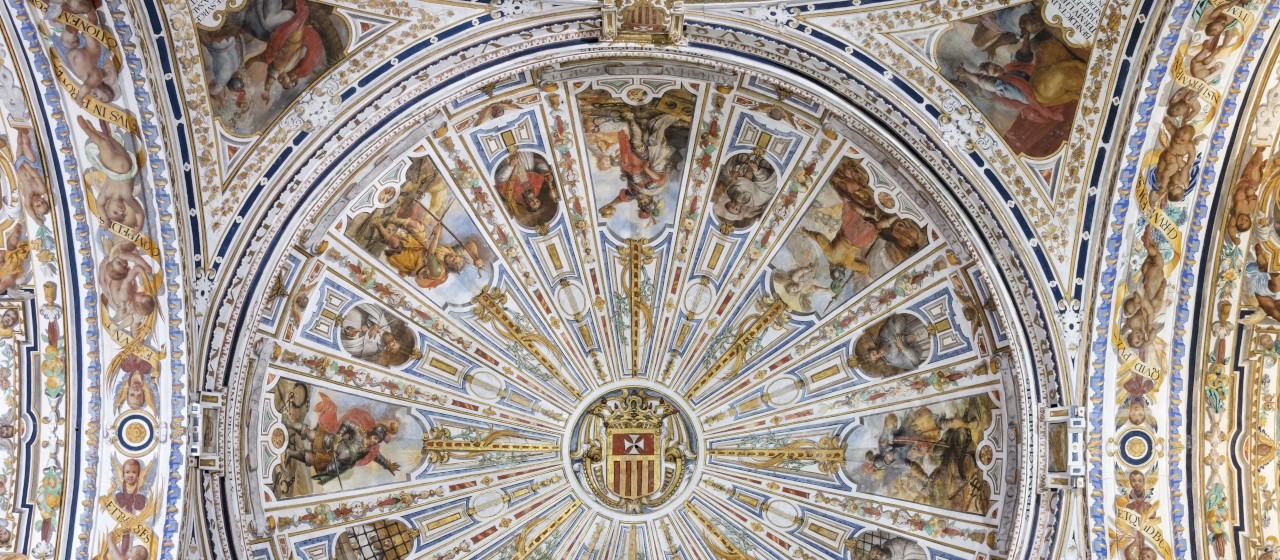
The Archaeological Museum of Córdoba, like the majority of Spanish museums, has travelled through a lengthy history to find itself located in its current headquarters in the Historic Centre of Córdoba, and declared Heritage of Mankind.
In 1844, the archaeological pieces from the confiscations of the Cordovan convents were gathered together and held in the Provincial Museum of Fine Arts, forming the Antiques Collection, which later became the Antiques Section. The Museum of Fine Arts underwent several moves and with it, the collection of archaeological pieces: it had its first base at the Colegio de la Asunción; in 1849, it moved to the Provincial Council; and in 1861, it permanently moved to the Hospital de la Caridad.
The Provincial Archaeological Museum of Córdoba was finally set up in 1868, and despite being considered an autonomous museum, it would share headquarters with the Museum of Fine Arts for several years. The physical separation of both collections came about in 1920, when the Archaeological Museum was installed inplaza de San Juan. From there, a short time passed until it moved to the Mudejar house in calle Velázquez Bosco (today called calle Samuel de los Santos).
During this period of transition, from 1921 to 1959, which ended with its move to the permanent headquarters, the museum was managed by Joaquín María de Navascués, Fernando Valls-Taberner and Blas Taracena (during the Civil War) and Samuel de los Santos. The long, productive period where Samuel de los Santos was in charge, was characterised by the initiative to move to the new headquarters. great advances in research, its participation in numerous excavations and the production of a new inventory and catalogue.
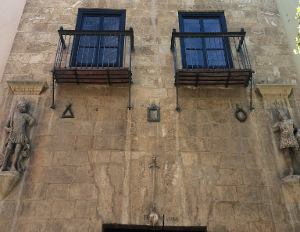
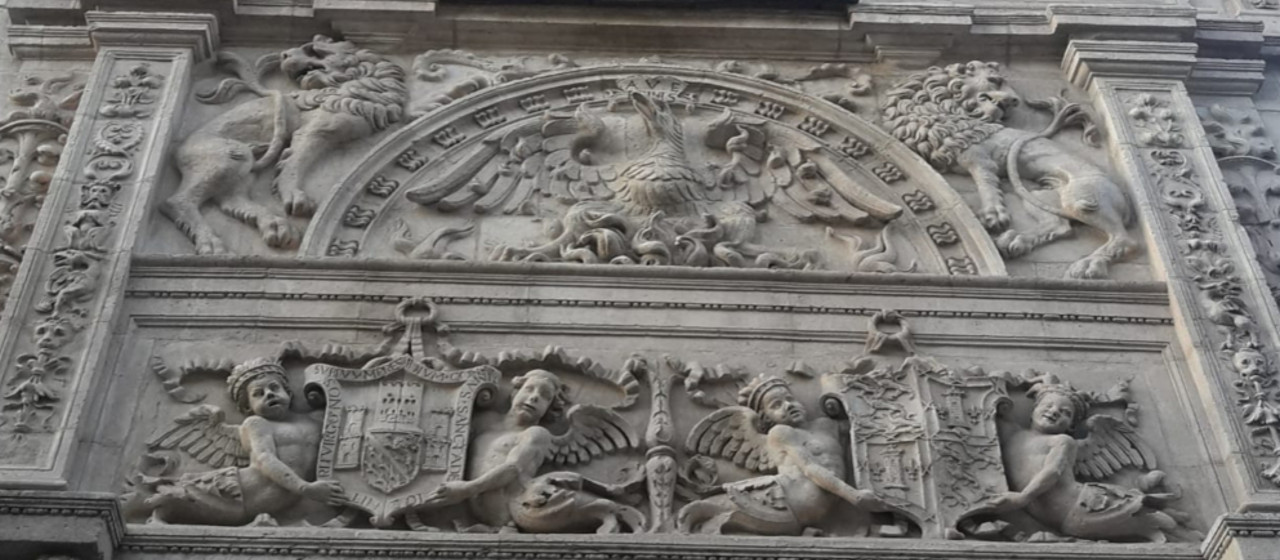
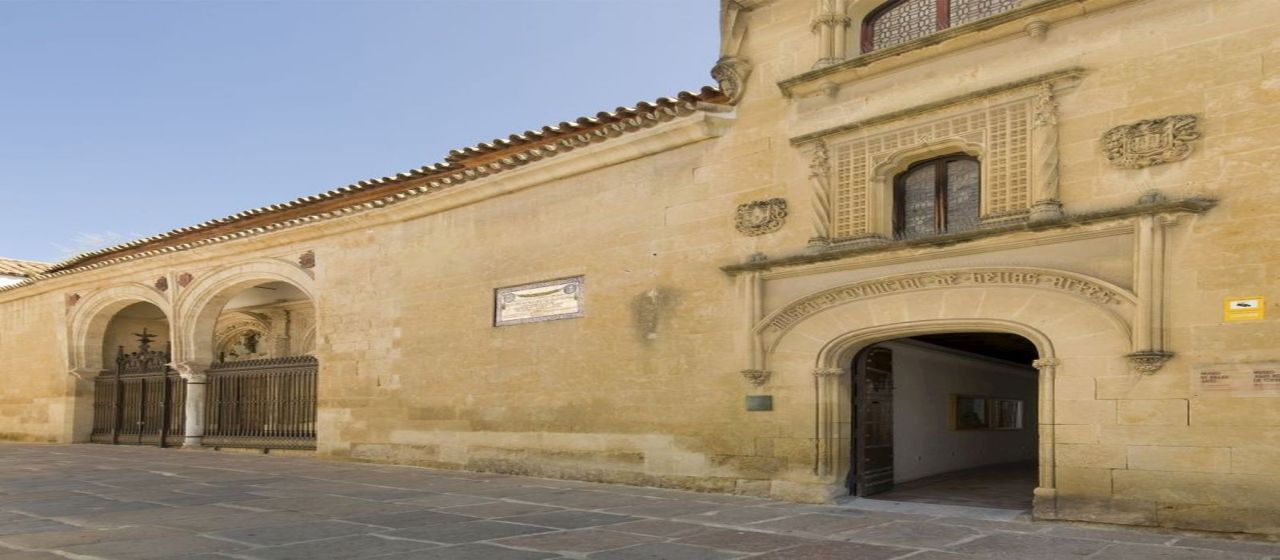
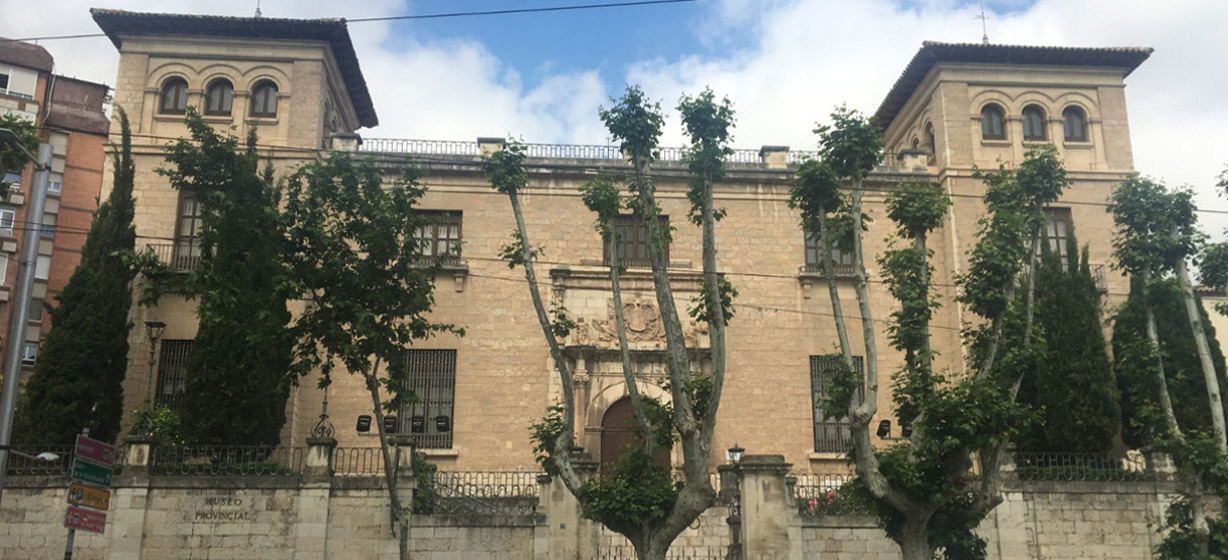
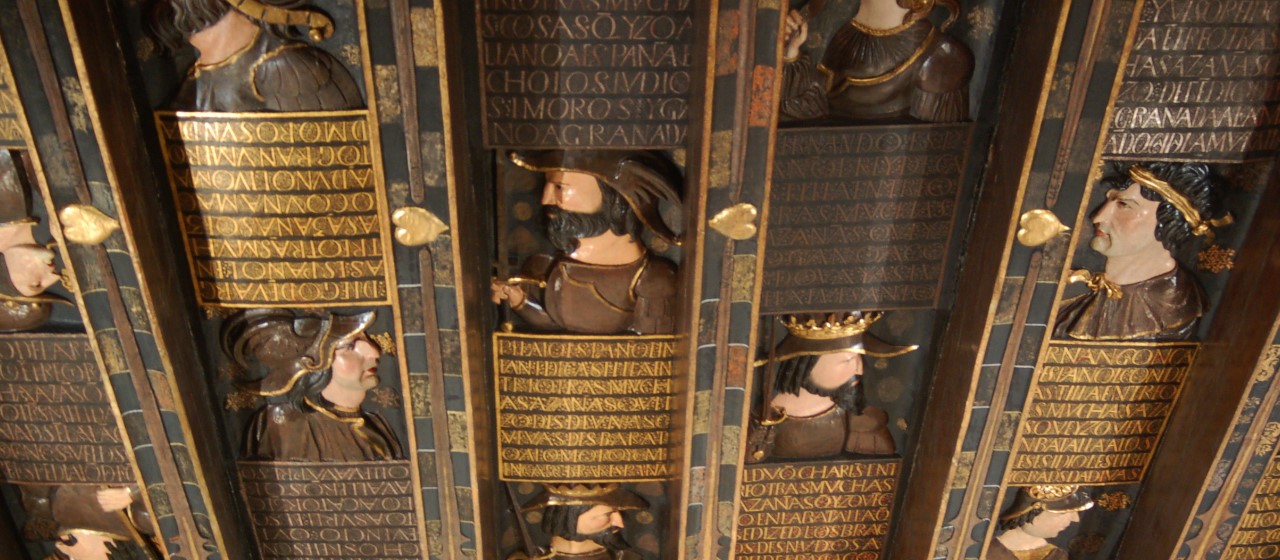
Under the direction of Ana María Vicent Zaragoza, from 1959 to 1987, the museum was installed in its current base, the Palacio de los Páez de Castillejo, with a considerable increase in the preserved objects, the creation of an urban archaeological research service, the setting up of an excellent library specialised in archaeology, and the edition of a scientific magazine, Corduba Archaeologica. The Archaeological Museum of Córdoba was converted into one of the most complete in Spain, and its building and collections were declared Historic-Artistic Monuments in 1962.
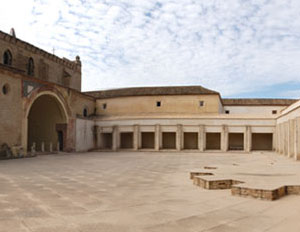
The Palacio de los Páez de Castillejo is currently the museum?s headquarters, however, for years it had required a number of reforms to adapt its internal installations, its services to the public and the exhibition spaces, to the needs of a museum of such importance, according to the criteria of a modern museology. In the drafting of the Museological Programme in 1992, which was partially changed in 1998, the basis which should govern the enlargement of the museum was put in place.
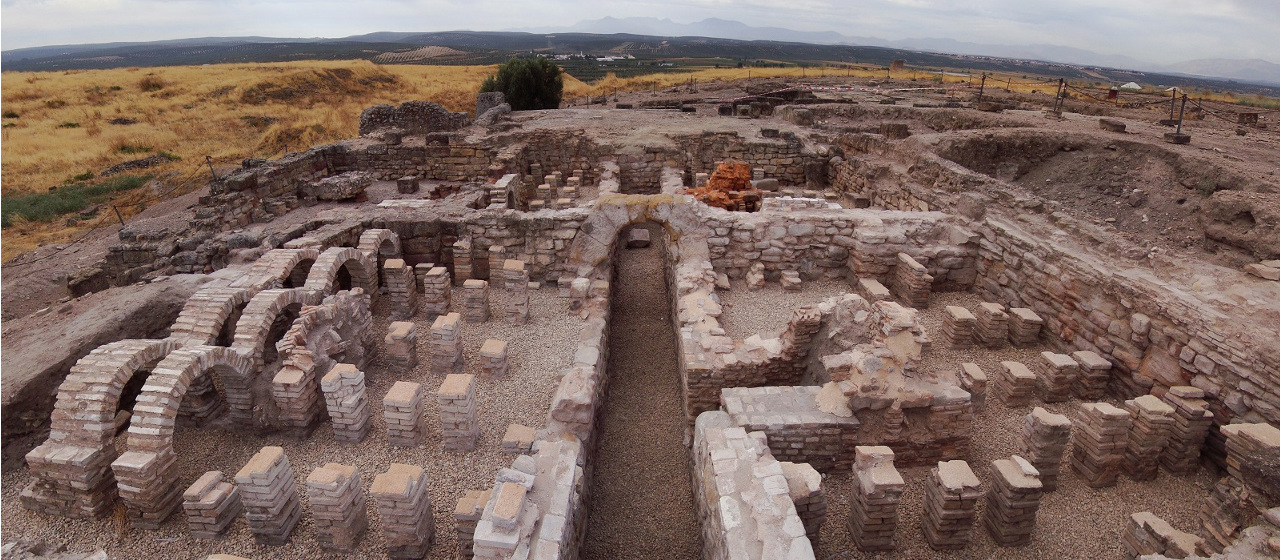
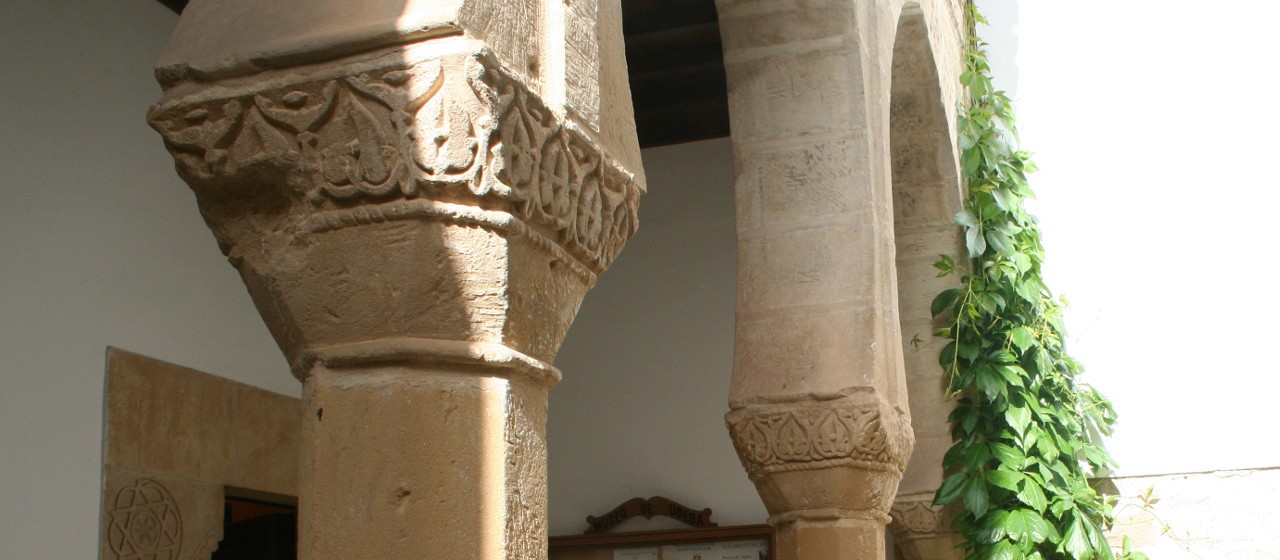
Likewise, archaeological studies in the nearby sites were promoted, thus providing the museum with a site in which it will be possible to document significant structures from the Roman period, such as the former theatre of Colonia Patricia Corduba, and also late-Roman craft workshops and Andalusí medieval houses, which are historically linked with the Medieval remains conserved in the palace and the large Renaissance construction by Hernán Ruiz II.
In 1998, there was an international tender with respect to plans for the construction of a new building to extend the museum, with the archaeological and engineering team IDOM being awarded the contract.
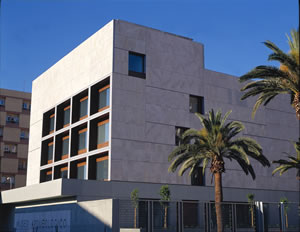
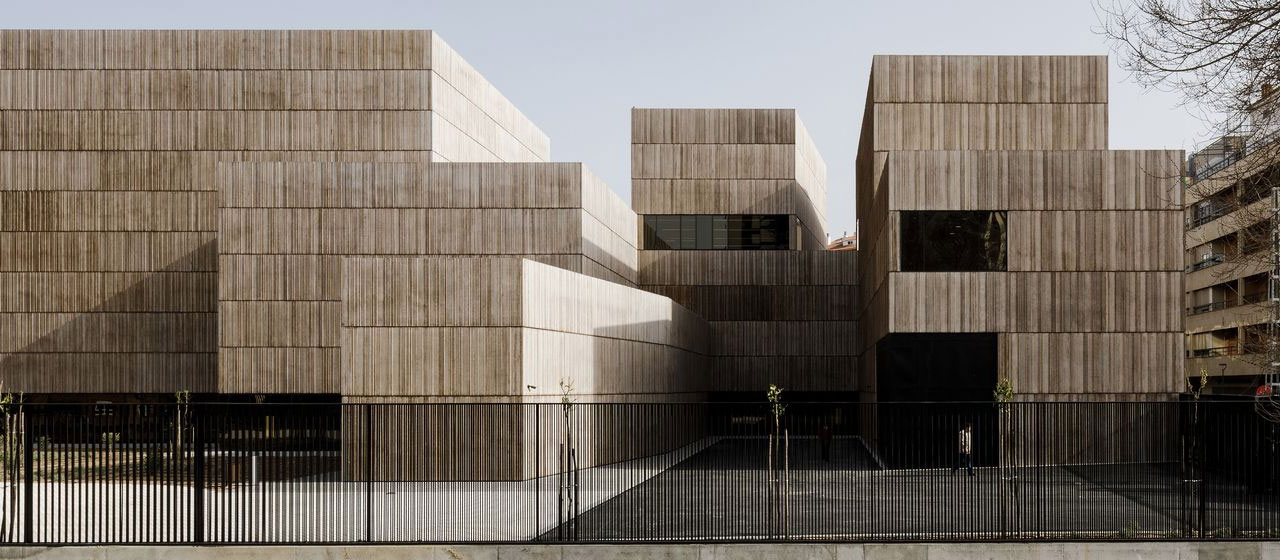
In the first phase, a new building is being constructed in which the following will be located: workshops, offices, museum work spaces, a library, conference room, temporary exhibition hall, access spaces, services for visitors, and a shop. In addition, it will be possible to visit the archaeological remains of what was the largest theatre in Roman Hispania.
When this project has been completed, renovation work will begin on the Palacio de los Páez de Castillejo, which, in the future, will continue to house the majority of the permanent exhibition halls, considerably increasing the available space. At the same time, enhancement work will be carried out on the archaeological remains in the North site, where there are significant traces of the urban alterations devised in Córdoba during the last years of the 1st century BC.