First excavations at the start of the 20th century.
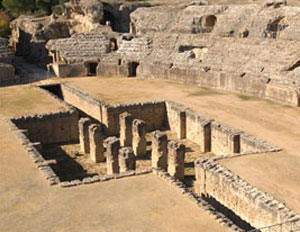
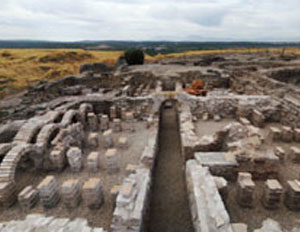
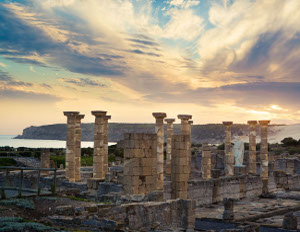
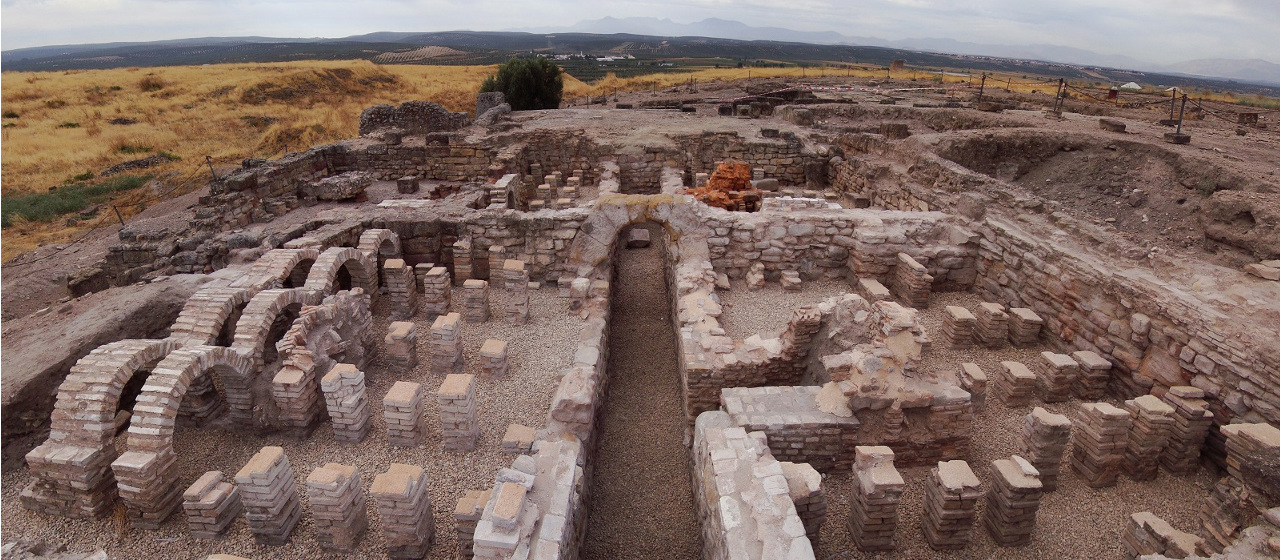
Since the 7th century AD, the Bolonia cove had remained almost deserted. Nonetheless, between 1700 and 1900, there was some news from scholars and travellers who pointed out the presence of Roman ruins, which were identified with Baelo Claudia from very early on. Nonetheless, it is from 1917 that archaeological research was fully developed in the city with the four campaigns that the French Hispanicist Pierre Paris carried out. Paris excavated a large part of the basic structure of the city, while George Bonsor did the same in the Eastern necropolis.
It was not until 1966, when thanks to the geophysical surveys directed by professor Pellicer, the importance of the city was established. In the same year, the Casa de Velázquez, a French Institution of Hispanic studies, began some systematic archaeological research which continues to date and which has led to one of the most complete archaeological sites in the peninsula from the Roman period.
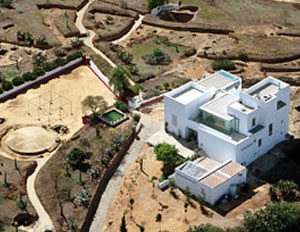
Finally, in 1990, the Junta de Andalucía set up the Archaeological Ensemble of Baelo Claudia, which, since this date, has been in charge of permanently ensuring its preservation, diffusion and research.